



Unlocking the Future: How IoT is Revolutionizing Our World
Introduction
The Internet of Things, often abbreviated as IoT, represents a seismic shift in our technological landscape. At its core, IoT involves the intricate interconnection of everyday objects to the internet, thereby empowering them to communicate and share data seamlessly across digital networks. This technological paradigm shift is not merely an incremental development; it is revolutionizing industries, economies, and the very fabric of our daily lives.
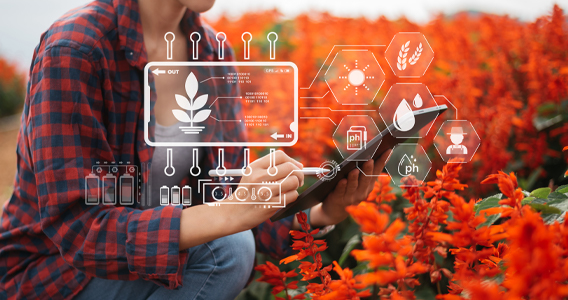
IoT in Agriculture
IoT applications in agriculture, often referred to as "smart farming," help optimize crop management, increase yields, and reduce resource wastage. IoT sensors can monitor soil conditions, weather, and crop health, enabling farmers to make data-driven decisions.
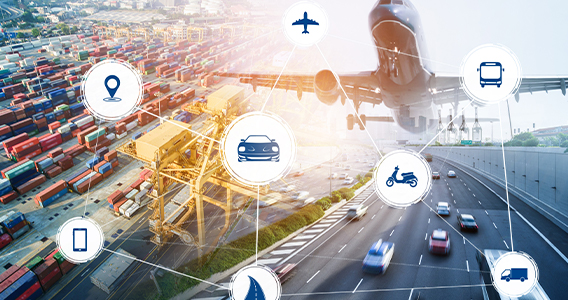
IoT in Transportation
IoT technology has revolutionized transportation by enabling real-time monitoring and optimization across various aspects. It facilitates efficient fleet management through vehicle health tracking, enhances safety through vehicle-to-vehicle and vehicle-to-infrastructure communication, and streamlines traffic management by providing data for intelligent traffic signal control. Moreover, IoT enhances the passenger experience in public transportation with features like smart ticketing and real-time updates, while also optimizing logistics and supply chain operations. Predictive maintenance prevents breakdowns, smart city integration fosters sustainability, and IoT supports environmental goals through efficient electric vehicle charging infrastructure management, collectively transforming the transportation sector into a safer, more efficient, and eco-friendly ecosystem.
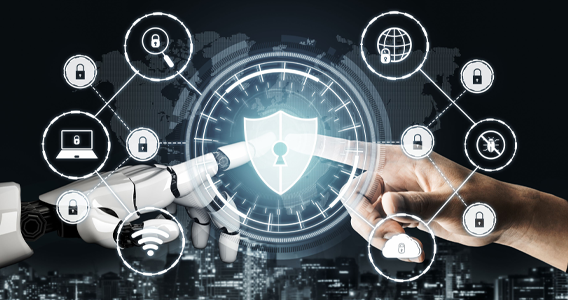
Security in IoT
Security in the Internet of Things (IoT) is a paramount concern, as the proliferation of interconnected devices brings with it a multitude of vulnerabilities. Protecting IoT systems involves safeguarding data privacy, ensuring the integrity of device communication, and guarding against unauthorized access and cyberattacks. This requires robust authentication mechanisms, encryption protocols, and continuous monitoring for anomalies. Furthermore, regular software updates and patches are essential to address emerging security threats. As IoT devices become more integrated into our daily lives, prioritizing security measures is imperative to mitigate potential risks and ensure the reliability and trustworthiness of IoT ecosystems.

Smart Homes and IoT
Smart homes leverage IoT technology to enhance convenience and security. IoT devices in smart homes include thermostats, lighting systems, security cameras, and voice-activated assistants. These devices can be controlled remotely and often adapt to user preferences.
Understanding IoT
To truly grasp the essence of IoT, it is essential to comprehend its intricate workings. IoT relies on an extensive network of sensors and devices, each endowed with unique identifiers. These sensors perform a vital role by continuously collecting data from their surroundings and transmitting it to centralized systems via the Internet. The data thus gathered is meticulously processed, rendering invaluable insights that, in turn, drive informed decision-making.
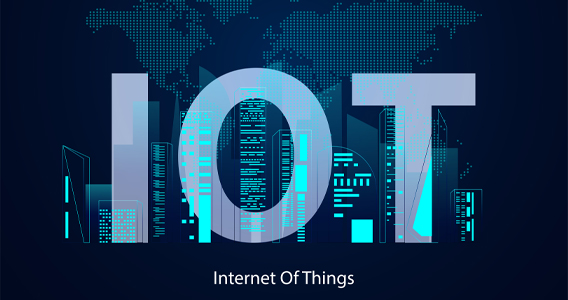
The Growth of IoT
The growth trajectory of IoT is nothing short of meteoric. In recent years, we have witnessed an exponential proliferation of IoT devices and applications. This extraordinary expansion is underpinned by several pivotal factors. Advancements in sensor technology have empowered these devices with increased capabilities, while the proliferation of wireless connectivity options has facilitated their seamless integration into our daily lives. Furthermore, the burgeoning demand for smart solutions across various sectors is propelling IoT into new realms of influence.
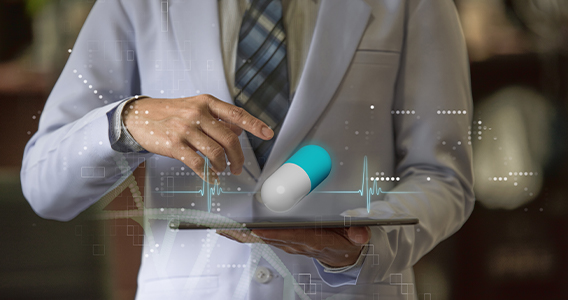
IoT in Healthcare
IoT in healthcare refers to the use of connected devices and sensors to enhance medical services. Key applications include remote patient monitoring, chronic disease management, smart hospitals, medication reminders, asset tracking, telemedicine, predictive analytics, and health and wellness apps. It improves patient care, and reduces costs, but also requires attention to security, privacy, and regulatory compliance.

Future Possibilities
The future possibilities for IoT are boundless, with potential applications ranging from healthcare and agriculture to smart cities and beyond. In healthcare, IoT could enable remote patient monitoring and personalized treatments, enhancing both healthcare accessibility and outcomes. In agriculture, precision farming using IoT sensors and data analytics can optimize crop yields while conserving resources. Smart cities will see the integration of IoT to enhance public services, improve traffic management, and reduce energy consumption, leading to more sustainable urban environments. As IoT continues to evolve, it will likely revolutionize various industries, drive innovation, and address some of the world's most pressing challenges, opening up a world of new opportunities and efficiencies.
IoT stands for the Internet of Things, where everyday objects are connected to the internet, enabling them to communicate and share data.
IoT is improving healthcare through remote monitoring, wearable devices, and data-driven insights, leading to better patient care.
Yes, IoT devices can be vulnerable to cyberattacks. It's crucial to implement strong security measures to protect data and privacy.
The future of IoT includes smart cities, environmental monitoring, and even more advanced automation in various industries.
IoT can make daily life more convenient with smart home devices, wearable technology, and improved transportation options.